
When unexpected water invades a property, fast and decisive action becomes crucial. Emergency Water Extraction Los Angeles LA services stand ready to tackle these urgent situations, removing standing water and beginning the drying process to prevent further damage. This immediate response is essential for safeguarding structural integrity, preventing mold growth, and protecting the health of occupants. Water incidents can stem from various sources, including burst pipes, overflowing appliances, severe weather events, or even complex plumbing failures, each demanding a rapid and professional intervention to mitigate potential long-term consequences. Understanding the nuances of water damage and the systematic approach to its removal empowers property owners to make informed decisions during a crisis.
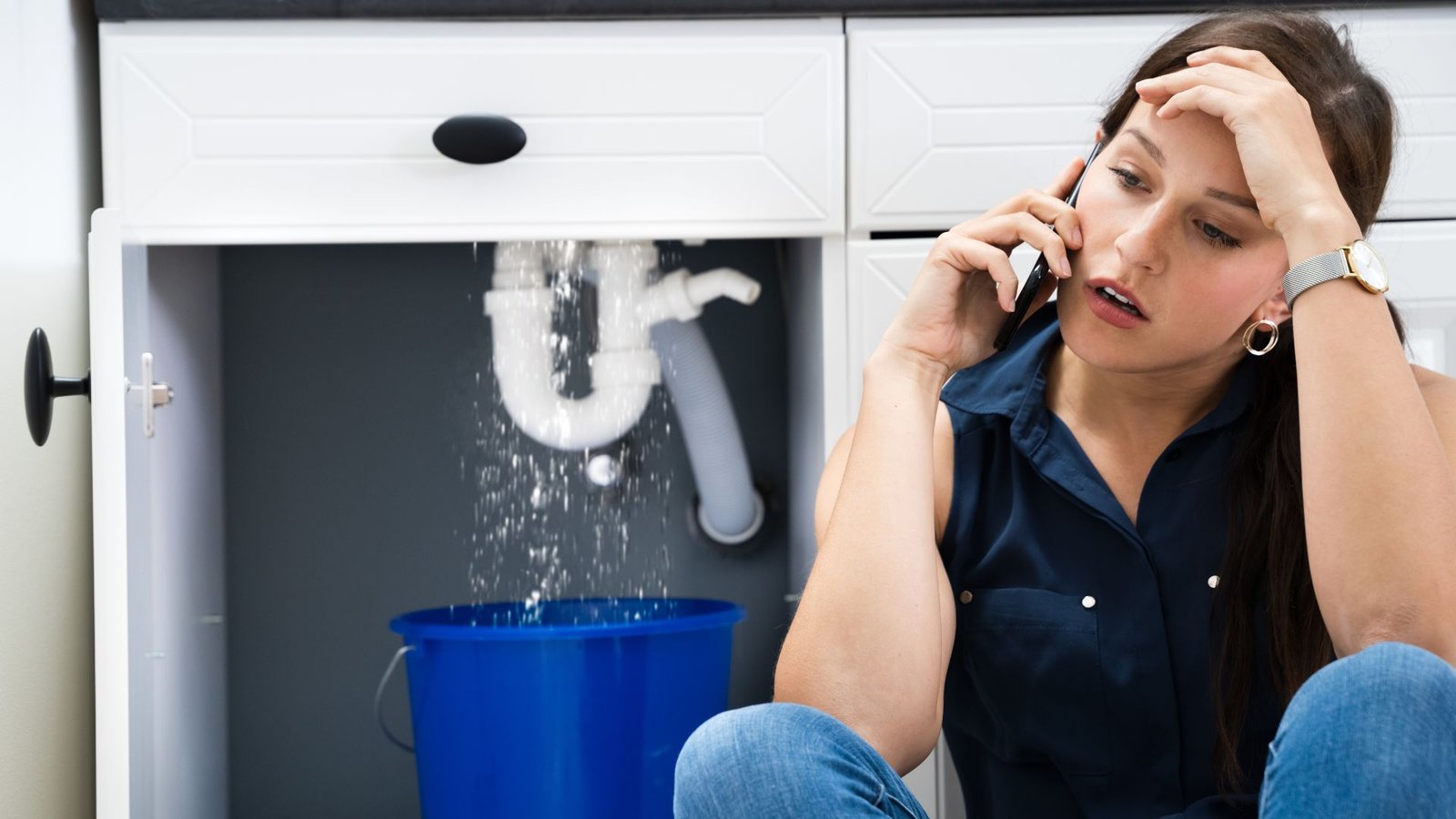
Understanding the Types of Water Damage
Not all water damage is the same, and recognizing the category of water involved is vital for a safe and effective extraction process. Professionals classify water damage into three main categories based on the level of contamination. Each category dictates specific handling procedures and safety precautions to protect both the property and the people involved.
Category 1: Clean Water
Clean water originates from a sanitary source and poses no immediate health threat. Examples include water from a broken water supply line, overflowing sink, or a malfunctioning appliance like a washing machine. While initially clean, if left untreated, this water can quickly degrade into Category 2 or 3 as it interacts with building materials and the environment, collecting contaminants and microorganisms. Rapid removal of Category 1 water minimizes the risk of structural damage and mold proliferation.
Category 2: Gray Water
Gray water contains a significant level of chemical, physical, or biological contaminants and can cause sickness if consumed or exposed to. This type of water originates from sources such as overflowing dishwashers or washing machines, toilet bowls with urine (but no feces), or sump pump failures. It carries microorganisms and nutrients for their growth. If gray water remains in contact with materials for an extended period, typically over 48 hours, or if it comes into contact with organic matter, it can transform into Category 3 water, posing a much higher health risk. Proper handling and containment are critical to prevent its spread.
Category 3: Black Water
Black water is highly unsanitary and contains pathogenic agents, making it dangerous and potentially deadly. This category includes water from sewage backups, flooding from rivers or streams, or standing water that has remained stagnant for a long time and contains harmful bacteria and fungi. Black water can cause severe illness or death if ingested or if exposed to open wounds. Any materials soaked by black water, especially porous ones, often require complete removal and disposal to ensure safety. Professionals must wear specialized protective gear and use strict decontamination protocols when dealing with black water.
The Critical Need for Immediate Water Extraction
Time is the most significant factor when dealing with water intrusion. The longer water sits, the more extensive and costly the damage becomes. Within minutes, water spreads rapidly, saturating carpets, furniture, and walls. Within hours, wood floors can swell, and furniture can begin to crack. Within days, mold and mildew can start to grow, causing health problems and further structural damage. Prompt action by Emergency Water Extraction Los Angeles LA teams can significantly reduce the overall impact.
Preventing Structural Damage
Water can quickly weaken the structural components of a building. Drywall can crumble, wooden beams can warp, and flooring can buckle. If the foundation is compromised, the entire structure’s stability is at risk. Immediate extraction helps to halt this deterioration, preserving the integrity of the property. Professionals assess the extent of saturation in structural elements, employing specialized drying techniques to restore materials without compromising their strength.
Mitigating Mold Growth
Mold spores are ubiquitous and only require moisture and an organic food source to thrive. Water-damaged areas provide the perfect breeding ground. Mold can begin to grow within 24 to 48 hours of a water event, leading to unpleasant odors, visible discoloration, and significant health concerns, particularly for individuals with respiratory conditions or allergies. Rapid water removal, combined with thorough drying and dehumidification, is the primary defense against mold proliferation. Preventing mold is far less expensive and complex than remediating an established mold infestation.
Protecting Health and Valuables
Beyond structural concerns, standing water can pose electrical hazards and harbor bacteria, viruses, and other pathogens, especially if it’s gray or black water. Protecting the health of residents is paramount. Additionally, personal belongings, documents, and cherished possessions can be irreparably damaged by water if not removed and dried quickly. A professional team understands how to safely navigate these hazards and prioritize the salvageable items.
The Comprehensive Emergency Water Extraction Process
A systematic approach ensures thorough water removal and effective drying. Professional Emergency Water Extraction Los Angeles LA services follow a detailed multi-step process to restore properties to their pre-damage condition.
Step 1: Initial Assessment and Inspection
Upon arrival, trained technicians conduct a thorough inspection to determine the source of the water, the category of water involved, and the extent of the damage. They use advanced moisture detection equipment, such as thermal imaging cameras and moisture meters, to identify all areas affected, including hidden pockets of moisture within walls, ceilings, and subflooring. This critical step informs the entire drying plan and ensures no moisture is left behind.
Step 2: Water Removal (Extraction)
This is the core of emergency services. High-powered, truck-mounted or portable extraction units are used to quickly remove large volumes of standing water from carpets, hardwood, concrete, and other surfaces. These powerful vacuums are designed to extract water much more efficiently than standard household equipment, significantly reducing drying times and preventing deeper saturation of materials. The speed of this step is paramount in minimizing the long-term impact of water exposure.
Step 3: Drying and Dehumidification
After bulk water removal, the focus shifts to drying out the remaining moisture that has absorbed into materials. Industrial-grade air movers are strategically placed to create airflow across wet surfaces, accelerating evaporation. Concurrently, powerful dehumidifiers are deployed to remove moisture from the air, preventing humidity from re-saturating materials and inhibiting mold growth. This controlled drying environment is crucial for effective restoration. Monitoring equipment continuously tracks temperature, humidity, and moisture levels in affected materials to ensure optimal drying conditions are maintained throughout the process.
Step 4: Cleaning and Sanitizing
Once the area is dry, cleaning and sanitizing become essential, especially if the water was Category 2 or 3. All affected surfaces are thoroughly cleaned to remove contaminants, dirt, and debris. Antimicrobial treatments are applied to inhibit the growth of bacteria, mold, and other harmful microorganisms. This step ensures the environment is safe and healthy for occupants. Depending on the extent of contamination, some porous materials may need to be removed and safely disposed of.
Step 5: Monitoring and Verification
The drying process is not complete until moisture levels in all affected materials return to normal, pre-damage levels. Technicians regularly monitor the drying progress using specialized meters, making adjustments to equipment placement as needed. Once structural drying goals are met, a final inspection is performed to ensure that all moisture has been eliminated and the property is thoroughly dry and safe. This meticulous verification prevents hidden moisture from causing future problems.
Specialized Equipment for Effective Extraction
Professional water extraction relies on specialized tools and technology that homeowners typically do not possess. These tools are designed for efficiency, precision, and thoroughness, making a significant difference in the outcome of a water damage event.
High-Powered Extraction Units
These units, whether truck-mounted or portable, are capable of removing vast quantities of water from various surfaces, including deeply saturated carpets and padding. Their strong suction power ensures that as much water as possible is extracted, reducing the overall drying time.
Industrial-Grade Dehumidifiers
Unlike household dehumidifiers, professional-grade units can remove hundreds of pints of water from the air daily. They are essential for lowering ambient humidity, which prevents secondary damage like warping of wood and further mold growth. They work by cooling air to condense moisture, then collecting the water and releasing dry air back into the space.
Air Movers and Fans
Strategically placed air movers create high-velocity airflow across wet surfaces. This constant air circulation accelerates the evaporation process, pushing moisture from materials into the air, where dehumidifiers can then remove it. Different types of air movers are used for specific applications, such as drying walls, floors, or subfloors.
Moisture Meters and Thermal Imaging
These diagnostic tools are indispensable for accurately assessing the extent of water penetration. Moisture meters measure the moisture content of materials, while thermal imaging cameras can detect temperature differences caused by hidden moisture pockets behind walls or under flooring. These tools ensure that no damp areas are overlooked during the drying process, preventing future issues.
What Property Owners Should Do Before Help Arrives
While waiting for Emergency Water Extraction Los Angeles LA professionals to arrive, there are immediate steps property owners can take to protect themselves and their property.
Prioritize Safety
The first and most important step is to ensure safety. If the water damage is severe or involves electrical outlets, turn off the main power supply to the affected area or the entire property if necessary. Avoid contact with contaminated water, especially if it’s gray or black water, as it can contain harmful pathogens. If the ceiling is bulging, avoid standing directly beneath it.
Stop the Water Source
If possible and safe to do so, identify and stop the source of the water. This might involve turning off a leaky pipe, shutting off the main water supply to the house, or closing a valve on an overflowing appliance. Stopping the source prevents further water accumulation.
Document the Damage
Take photos and videos of the affected areas and damaged belongings. This documentation is crucial for insurance claims and helps the professionals understand the scope of the incident. Capture wide shots and close-ups, noting the time and date.
Remove Valuables
Carefully move valuable items, such as electronics, important documents, art, and furniture, from the affected area to a dry, safe location. Elevate items off wet floors using blocks or aluminum foil if they cannot be moved. This simple step can salvage many cherished possessions.
Avoid DIY Drying
While it might be tempting to start drying with household fans, this is often insufficient and can spread contaminants or exacerbate mold growth. Professionals have the right equipment and expertise to dry thoroughly and safely. Do not use a household vacuum cleaner to extract water, especially if it’s not designed for wet use, as this can be dangerous.
The Importance of Professional Expertise
Engaging professional Emergency Water Extraction Los Angeles LA services offers distinct advantages over attempting to manage water damage independently. Their expertise ensures a thorough and safe restoration process.
Trained and Certified Technicians
Professional teams consist of technicians who are trained and certified in water damage restoration. They understand the science of drying, the different categories of water, and the most effective methods for various materials. This knowledge ensures that the job is done correctly the first time, preventing secondary damage and future problems.
Access to Specialized Equipment
As discussed, professionals utilize industrial-grade equipment that is far more powerful and effective than anything available to the average homeowner. This equipment is essential for rapid water extraction, deep drying, and comprehensive dehumidification, which are critical for preventing mold and structural issues.
Comprehensive Assessment and Plan
Experts conduct a detailed assessment, identifying hidden moisture and creating a tailored drying plan. They monitor the drying process closely, making adjustments as needed, to ensure all moisture is thoroughly removed from the structure and contents. This meticulous approach prevents long-term issues that can arise from incomplete drying.
Safety and Compliance
Dealing with water damage, especially contaminated water, can pose significant health risks. Professionals adhere to strict safety protocols, using personal protective equipment and proper containment measures to protect themselves and the occupants. They also understand local regulations and standards for water damage cleanup and disposal in Los Angeles County, California.
Preventing Secondary Damage
A primary benefit of professional intervention is the prevention of secondary damage. This includes mold growth, wood rot, warping of floors, and structural weakening that can occur if moisture is not completely removed. Their thoroughness saves property owners from more extensive and costly repairs down the line.